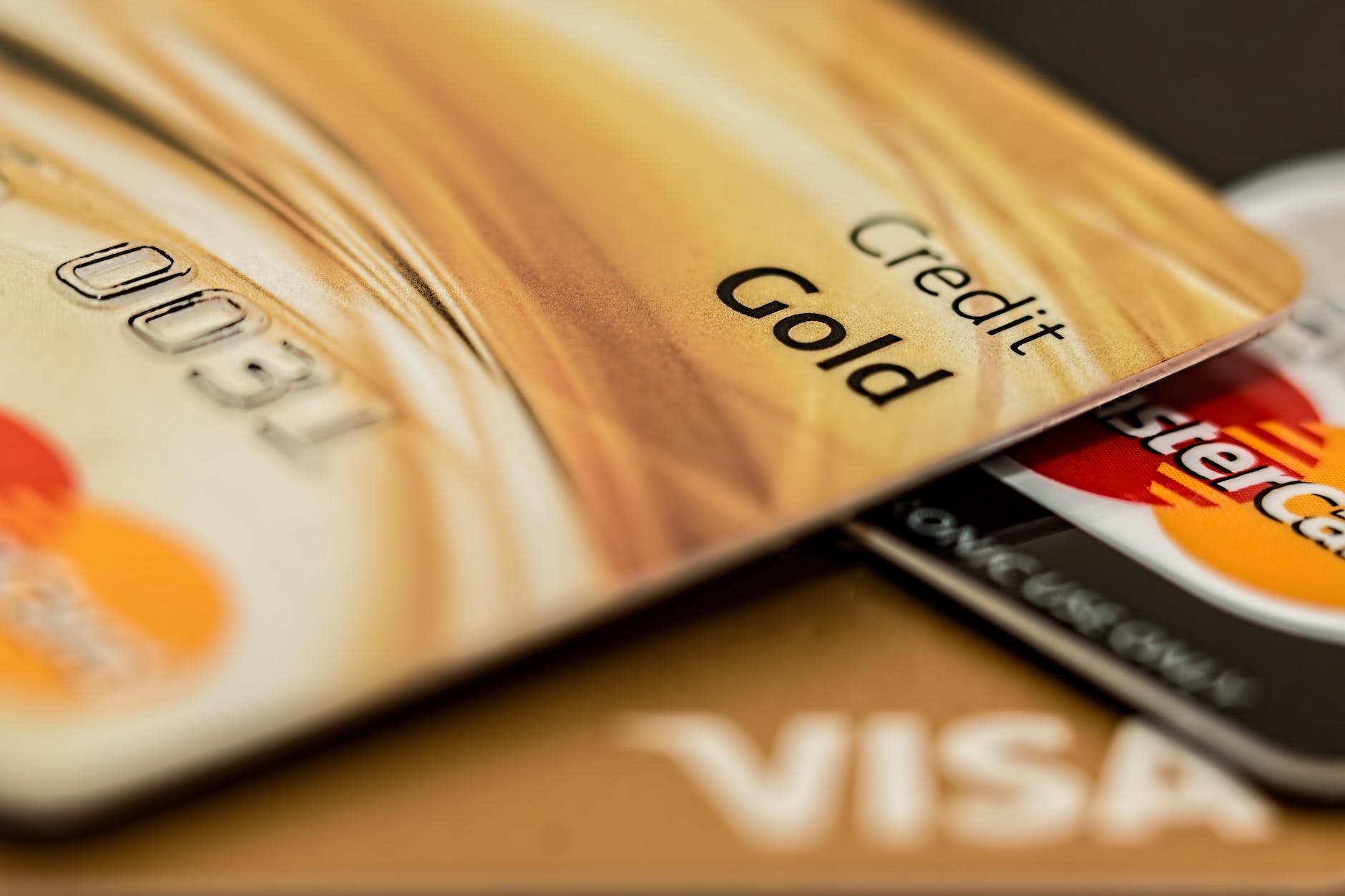
In the ever-evolving landscape of cybercrime, a formidable threat has surfaced – super skimmers. These highly sophisticated devices, known as shimmers, provide criminals with an inconspicuous method to siphon off your funds, even when using chip cards. Security experts caution that detecting these elusive super skimmers is no easy feat, but understanding their intricate workings is key to fortifying your financial defenses.
Recent incidents captured by surveillance cameras shed light on the employment of shimmers at ATMs. Victims recount the shock of realizing that a routine trip to the ATM resulted in a substantial sum mysteriously vanishing from their accounts.
A deeper dive into the mechanics reveals that shimming operates distinctly from traditional skimming methods. Unlike the bulky overlay devices characteristic of skimming, shimmers are sleek, subtle, and significantly more challenging to detect. These devices are designed to be inserted into the card reader slot and capture the information stored on the chip of your card.
Once in place, shimmers act as silent data interceptors, clandestinely collecting sensitive details, including account numbers and PINs, during your legitimate transactions. This stealthy approach allows scammers to amass valuable data without raising suspicion.
To fortify your defenses against these cunning tactics, consider investing in an RFID-blocking wallet, which can help protect your cards from unauthorized scanning. Additionally, practice heightened vigilance during ATM transactions, regularly monitor your accounts for any unusual activity, and consider covering your PIN entry to add an extra layer of protection.
If you suspect you are a victim of shimmer theft, act promptly. Contact your bank to report any unauthorized transactions and request a replacement card. Change your PIN immediately, and consider placing a fraud alert on your accounts to prevent further unauthorized access. Staying informed about evolving cybercrime methods is crucial in the ongoing battle against financial fraud.
Article by Christine “BB” Boring
“Geek girl with a passion for cybersecurity, and a fancy Google certification to prove it!”
Unlike traditional news media outlets, Cyber News Gator believes in readers compensating article authors directly! You can support BB’s continuing work here at Cyber News Gator by contributing to her Patreon.
All articles written by independent contributors to Cyber News Gator remain the property of the original author, and published with permission. Cyber News Gator is not responsible for the contents of independent contributors’ articles.



Leave a Reply