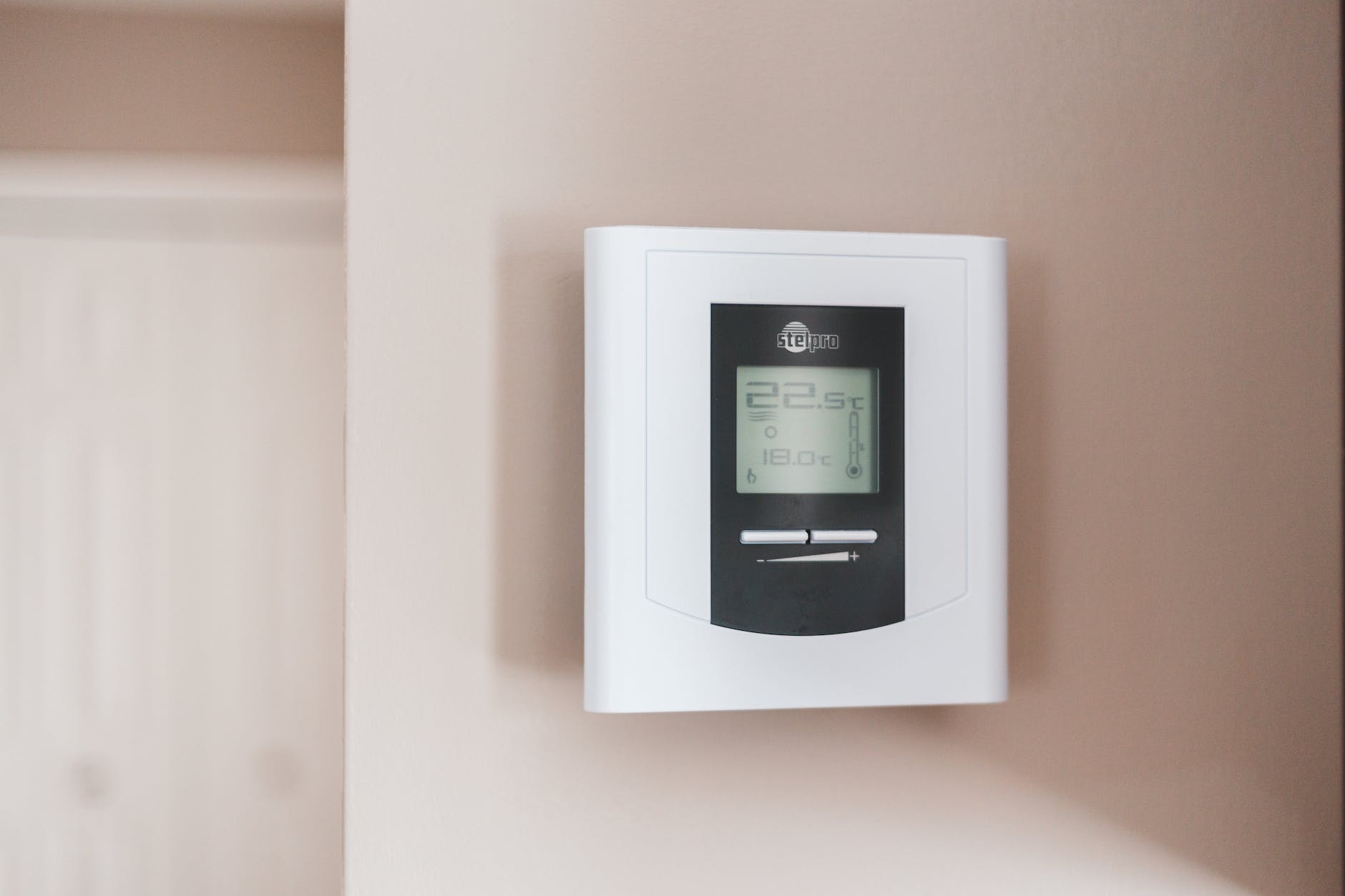
In a recent revelation, a significant vulnerability has been identified in the Bosch BCC100 thermostat, shedding light on potential risks associated with home-connected devices. This vulnerability could permit unauthorized access to thermostat settings or the installation of harmful software.
The incident involving the BCC100 thermostat is part of a broader trend, highlighting concerns about the security of Internet of Things (IoT) devices. Notably, various smart thermostats, including those from well-known manufacturers, have faced security issues in the past, emphasizing the need for enhanced security measures.
The flaw in the BCC100 thermostat lies in its design, utilizing two microcontrollers for Wi-Fi and main logic. The communication between these chips presents a vulnerability that could enable attackers to send harmful commands or updates to the thermostat. The company has responded promptly by working on a fix since the issue was reported.
The company, in a statement, assures users that security is a top priority, and a software update was rolled out, addressing the vulnerability. Users are recommended to update both thermostat and Wi-Fi firmware, with a customer support hotline provided for assistance.
For smart home users, this incident underscores the importance of keeping devices updated. In addition to firmware updates, users are advised to consider changing administrative passwords, being cautious about internet connectivity, deploying firewalls, and using antivirus protection on devices.
The key takeaways from this incident include the significance of proactive steps such as updating firmware, changing passwords, carefully considering internet connectivity, using firewalls, and choosing secure devices.
As the smart home landscape evolves, questions arise regarding the measures taken by manufacturers to protect devices from potential security vulnerabilities. Users are encouraged to stay informed, updated, and vigilant to enhance the security of their connected homes.
Article by Christine “BB” Boring
“Geek girl with a passion for cybersecurity, and a fancy Google certification to prove it!”
Unlike traditional news media outlets, Cyber News Gator believes in readers compensating article authors directly! You can support BB’s continuing work here at Cyber News Gator by contributing to her Patreon.
All articles written by independent contributors to Cyber News Gator remain the property of the original author, and published with permission. Cyber News Gator is not responsible for the contents of independent contributors’ articles.




Leave a Reply