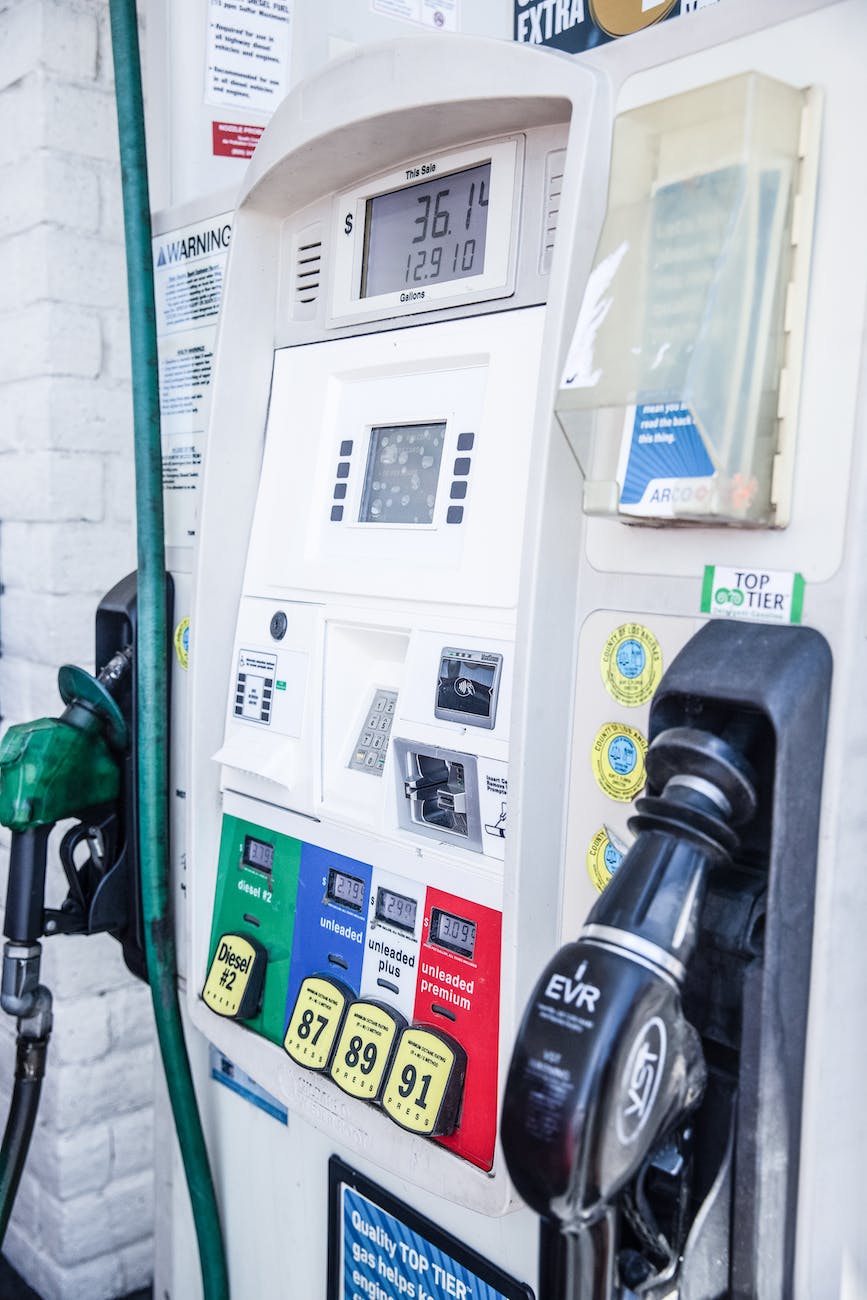
Gas pump systems have evolved into digitally connected entities, bringing convenience and efficiency. However, this technological progress has also opened the door to cybersecurity vulnerabilities, prompting concerns about the safety of personal data during fuel transactions.
Cybersecurity Risks at Gas Pumps: What Criminals Could Gain
As gas pumps become more integrated with technology, they present an attractive target for cybercriminals seeking to exploit weaknesses. The following are potential risks consumers face at the pump:
- Remote Hacking: Malicious actors may attempt to breach the network connectivity of gas pump systems, leading to the compromise of customer data and potential disruptions in fuel dispensing operations.
- Virtual Skimming: Cybercriminals can install virtual skimming devices, capturing payment information from unsuspecting customers. This digital skimming poses a threat to consumer privacy and financial security.
- Manipulation of Fuel Prices: Inadequate security measures on gas pump systems could allow attackers to manipulate fuel prices, leading to financial losses for both consumers and gas station owners.
- Theft of Sensitive Information: Personal information, including credit card details, is at risk of being stolen if gas pump systems lack robust cybersecurity measures, exposing consumers to potential identity theft and financial fraud.
Now, more than ever, consumers must be proactive in protecting their personal information during fuel transactions.
How Consumers Can Protect Themselves at the Pump
- Use Chip Cards Instead of Magnetic Strips: Opt for chip-enabled credit or debit cards to enhance transaction security.
- Regularly Monitor Bank Statements: Review statements regularly and report unauthorized transactions promptly.
- Consider Using Mobile Payment Apps: Utilize secure mobile payment apps for an extra layer of protection.
- Avoid Using Debit Cards: Prefer credit cards over debit cards for fuel transactions, as they often offer better fraud protection.
- Check for Tampering: Visually inspect card readers and PIN pads for signs of tampering before use.
- Update Mobile Apps and Enable Security Features: Keep fuel payment apps updated and use available security features.
By adopting these practices, consumers can contribute to a safer and more secure experience at the gas pump. As technology advances, staying vigilant and proactive is crucial in safeguarding personal data from potential cyber threats.
Article by Christine “BB” Boring
“Geek girl with a passion for cybersecurity, and a fancy Google certification to prove it!”
Unlike traditional news media outlets, Cyber News Gator believes in readers compensating article authors directly! You can support BB’s continuing work here at Cyber News Gator by contributing to her Patreon.
All articles written by independent contributors to Cyber News Gator remain the property of the original author, and published with permission. Cyber News Gator is not responsible for the contents of independent contributors’ articles.



 Cyber News Gator
Leave a comment