In the vast landscape of the internet, a new threat has emerged, and it’s hiding in plain sight on Facebook. Fake news articles, cleverly disguised as links shared by compromised accounts, are wreaking havoc in the digital realm. These aren’t your typical clickbait articles; they’re part of a scam designed to exploit your trust and compromise your online security. In this article, we’ll unveil the workings of this deceptive scheme and arm you with the knowledge to protect yourself.
Advertisement

Is artificial intelligence tracking you? This clothing line is designed to confuse AI. Click here to learn more.
Picture this: you log into your Facebook account, and you see a post from a friend, sharing what seems to be a heartbreaking news article from a reputable source like BBC or CNN. The caption tugs at your emotions, claiming someone you might know has passed away, accompanied by a tag to several friends. Before you react, take a breath. This might be a deceptive plot to compromise your online security.
The scam begins by hacking into a friend’s Facebook account. Once compromised, the attacker uses the account to share links that mimic legitimate news articles. These links sometimes come with emotionally charged captions like “He died, I think you know him, I’m so sorry!” The goal is to lure you into clicking the link, setting the stage for a malicious act.

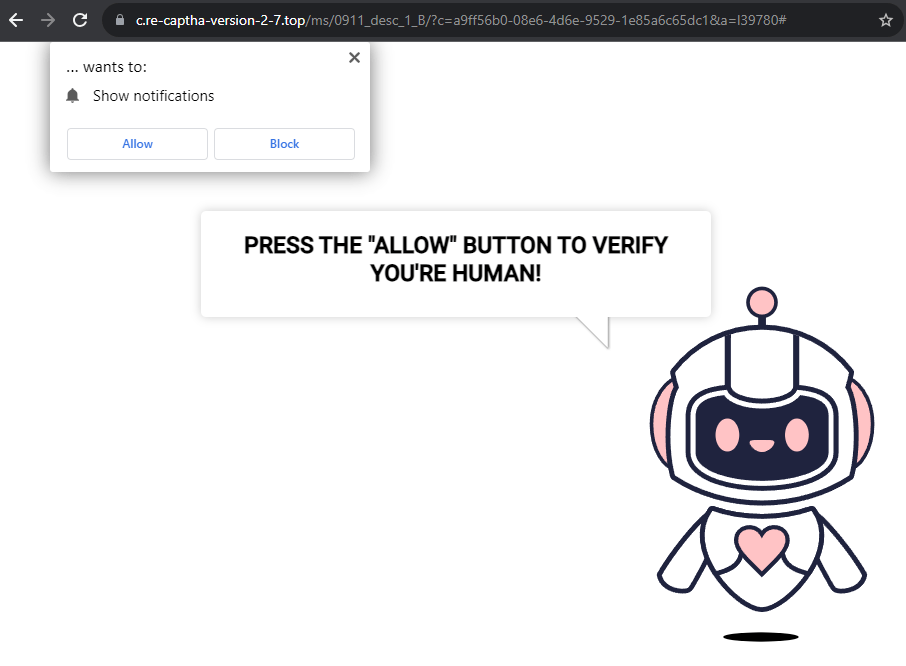
Once you click, you might encounter a prompt asking for your Facebook credentials. If you enter them, not only have you fallen victim to the scam, but you’ve inadvertently perpetuated the hack by providing access to your own account. Alternatively, the link might take you to a page that prompts you to “click allow” to prove you’re human. However, this isn’t your standard captcha; it’s a sneaky ploy to get you to grant permission for the website to send you notifications.
Recognizing Imposter Links:
- Emotional Bait: Be skeptical of sensational or emotionally charged captions. Fraudsters often use these to manipulate your emotions and prompt impulsive clicks.
- Check the URL: Examine the web address closely. Legitimate news sources have specific domain names. If the link seems suspicious or doesn’t match the official domain, proceed with caution.
- Unusual Language or Formatting: Fake articles may contain spelling mistakes, grammatical errors, or unusual formatting. Legitimate news outlets maintain a professional standard in their content.
Protecting Yourself:
- Verify Before You Click: If a friend shares a surprising or emotional post, contact them through another method (phone, email) to confirm the authenticity before clicking any links.
- Enable Two-Factor Authentication: Protect your Facebook account with an extra layer of security by enabling two-factor authentication. This makes it significantly harder for hackers to gain access.
- Educate Yourself and Others: Stay informed about common online scams and share this knowledge with your friends and family. Awareness is a powerful defense against digital threats.
Wrap-Up Summary
- Be Skeptical: Question emotionally charged posts and verify information before clicking.
- Check URLs: Scrutinize web addresses for authenticity, especially if the link claims to be from a reputable source.
- Two-Factor Authentication: Strengthen your Facebook security with an additional layer by enabling two-factor authentication.
- Spread Awareness: Share this information with friends and family to collectively build a stronger defense against online scams.
By staying vigilant and adopting these practices, you can fortify your digital fortress against the deceptive tactics of cybercriminals lurking behind seemingly harmless Facebook links. Your online security is in your hands – let’s keep it safe.
Article by Ken Buckler
Over 17 years in the Cybersecurity industry, Ken is the President and Managing Editor of Red Mana Cyber.





 Cyber News Gator
Leave a comment